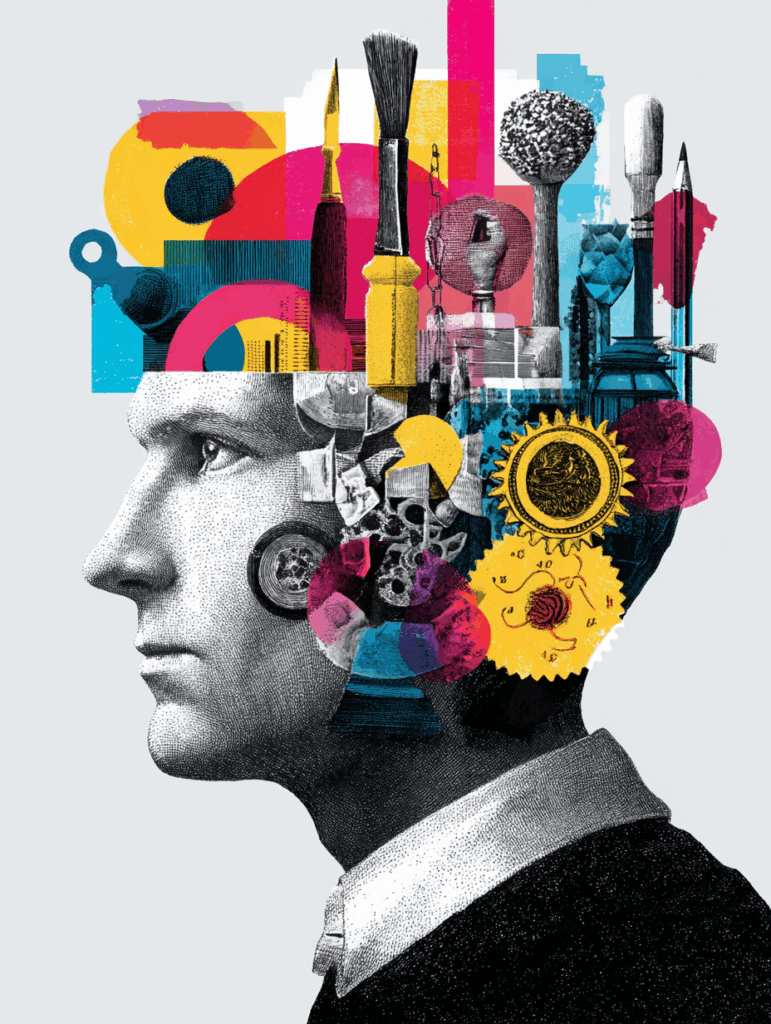


What’s measured is managed, what’s managed is measured.
It’s a rule that equally applies to creativity and creative work.
For the most part, the measure of creativity has been subjective: a shrug, a gut feeling, the loudest voice in the room.
But it needn’t be.
In the world of building brands, we understand that creativity is a strategic lever with demonstrable value.
The ultimate failure isn’t bad work. It’s indifferent work.
And we can no longer afford to let the biggest investment in a brand’s future be judged by a simple ‘yes’ or ‘no.’
This is why Creative Evaluation Frameworks, developed by the world’s most successful brands and creative institutions, are no longer a nice-to-have, but an imperative.
The objective of these framework is brutally simple: shift the entire conversation from personal preference to objective, creative-and-business-aligned analysis.
They’re designed to give brand builders and collaborators a shared, common language for evaluation. They articulate a hierarchy of effects, proving that creative achievement is directly linked to commercial results.
We do that, we start to compound the work and effort we put into building brands with great work.
We prove creativity works. With the metric and language that turn abstract into tangible.
We define creative excellence. With clear benchmarking that distinguishes between work.
We force audacity. With a well defined aspiration compel us to embrace bravery.
We prevent mediocrity. With safeguards against wasted shots in the dark.
Measurement is a means of continuous improvement.
The work, the creative output and what we do for brands should be no different.